


Biodegradable food container are made from PLA, which is derived from plants and are suitable for cold foods and freezer safe. Great for takeout restaurants, deli counters, and grocery stores, these bowls are compostable in a commercial composting facility where accepted. Not
Benefits of Biodegradable Food Container
Natural & Harmless
Typically made from bagasse, biodegradable food container packaging is a more sustainable alternative to plastic. As a by-product of sugarcane manufacturing, bagasse is the fiber left over from sugar production and is very abundant and renewable. Bagasse is used in a wide range of food packaging applications, including boxes, trays, bowls, plates, cups, and other food containers.
Biodegradable food container packaging is stronger and more durable than other traditional foam packaging containers. The disposable biodegradable food container can be safely stored in the refrigerator. Excellent heat resistance, making it ideal for cooked food that is safe under microwaves and does not affect food quality. Since the bagasse is not adversely affected by the environment, the biodegradable disposable paper bowl is perfect for shipping and storage conditions and food packaging.
Energy Saving
Compared to non-biodegradable disposables, the biodegradable disposable paper bowl is made from renewable raw materials, saving the earth's natural resources and requiring less energy to produce. In addition, the disposable biodegradable food container is an environmentally friendly option that effectively reduces the overall carbon footprint.
Quite simply, when you turn to a more sustainable food packaging solution from single-use plastic, a huge boost comes to your business, the environment, and even the planet - to reduce greenhouse gas emissions and carbon emissions released, increasing brand responsiveness and corporate responsibility in environmentally conscious.
Compostable
One of the most important benefits of using biodegradable disposable paper bowl includes easy composting and return to nature over a period of time. The biodegradable disposable paper bowl and other biodegradable tableware will typically decompose within one year in a home compost bin and within 3 to 6 months in an industrial composting environment.
Plus, when you invest in biodegradable food container packaging, you're strengthening your brand reputation. In other words, you create a positive consumer experience while giving your business or restaurant an edge over competing brands. After all, a commitment to the environment is becoming increasingly important to consumers, so much so that more and more consumers are willing to pay more for services and products offered by eco-friendly brands.
Economical & Environmentally Friendly
As mentioned above, eco-friendly food packaging solutions can increase sales and win customers over to your brand, but that's just the beginning. Because the biodegradable disposable paper bowl is lightweight and portable, making biodegradable food container packaging costs less to ship.
In addition, The disposable biodegradable food container and other biodegradable tableware are naturally safe and friendly, leaving no toxic chemicals or residues behind. It can act as compost to promote a circular economy, adding nutrients to the soil and helping boost food production and agriculture.
-
![Biodegradable To Go Food Containers]() Biodegradable To Go Food ContainersItem::Biodegradable To Go Food ContainersSuitable for hot and cold foods . Microwave and refrigerator safe . Better alternative to traditional plastic and foam products.read more
Biodegradable To Go Food ContainersItem::Biodegradable To Go Food ContainersSuitable for hot and cold foods . Microwave and refrigerator safe . Better alternative to traditional plastic and foam products.read more -
![Compostable Sugarcane Container]() Compostable Sugarcane ContainerItem:Compostable Sugarcane ContainerSuitable for hot and cold foods . Microwave and refrigerator safe . Better alternative to traditional plastic and foam products.read more
Compostable Sugarcane ContainerItem:Compostable Sugarcane ContainerSuitable for hot and cold foods . Microwave and refrigerator safe . Better alternative to traditional plastic and foam products.read more -
![Biobased Food Container]() Biobased Food ContainerBiodegradable and compostable Suitable for hot and cold foods Microwave and refrigerator safe Better alternative to traditional plastic and foam products.read more
Biobased Food ContainerBiodegradable and compostable Suitable for hot and cold foods Microwave and refrigerator safe Better alternative to traditional plastic and foam products.read more -
![Biodegradable Square Plate]() Biodegradable Square PlateItem:Biodegradable Square PlateSuitable for hot and cold foods . Microwave and refrigerator safe . Better alternative to traditional plastic and foam products.read more
Biodegradable Square PlateItem:Biodegradable Square PlateSuitable for hot and cold foods . Microwave and refrigerator safe . Better alternative to traditional plastic and foam products.read more -
![Environmentally Friendly Disposable Food Container]() Environmentally Friendly Disposable Food ContainerItem::Environmentally Friendly Disposable Food ContainerSuitable for hot and cold foods . Microwave and refrigerator safe . Better alternative to traditional plastic and foam products.read more
Environmentally Friendly Disposable Food ContainerItem::Environmentally Friendly Disposable Food ContainerSuitable for hot and cold foods . Microwave and refrigerator safe . Better alternative to traditional plastic and foam products.read more -
![Compostable Takeaway Food Container]() Compostable Takeaway Food ContainerItem::Compostable Takeaway Food ContainerSuitable for hot and cold foods . Microwave and refrigerator safe . Better alternative to traditional plastic and foam products.read more
Compostable Takeaway Food ContainerItem::Compostable Takeaway Food ContainerSuitable for hot and cold foods . Microwave and refrigerator safe . Better alternative to traditional plastic and foam products.read more -
![Bioplastic Container]() Bioplastic ContainerItem::Bioplastic ContainerSuitable for hot and cold foods . Microwave and refrigerator safe . Better alternative to traditional plastic and foam products.read more
Bioplastic ContainerItem::Bioplastic ContainerSuitable for hot and cold foods . Microwave and refrigerator safe . Better alternative to traditional plastic and foam products.read more -
![Biodegradable Takeaway Food Container]() Biodegradable Takeaway Food ContainerItem::Biodegradable Takeaway Food ContainerSuitable for hot and cold foods . Microwave and refrigerator safe . Better alternative to traditional plastic and foam products.read more
Biodegradable Takeaway Food ContainerItem::Biodegradable Takeaway Food ContainerSuitable for hot and cold foods . Microwave and refrigerator safe . Better alternative to traditional plastic and foam products.read more -
![Biodegradable Small Container]() Biodegradable Small ContainerItem:Biodegradable Small ContainerSuitable for hot and cold foods . Microwave and refrigerator safe . Better alternative to traditional plastic and foam products.read more
Biodegradable Small ContainerItem:Biodegradable Small ContainerSuitable for hot and cold foods . Microwave and refrigerator safe . Better alternative to traditional plastic and foam products.read more -
![Biodegradable Paper Container]() Biodegradable Paper ContainerItem:Biodegradable Paper ContainerSuitable for hot and cold foods . Microwave and refrigerator safe . Better alternative to traditional plastic and foam products.read more
Biodegradable Paper ContainerItem:Biodegradable Paper ContainerSuitable for hot and cold foods . Microwave and refrigerator safe . Better alternative to traditional plastic and foam products.read more -
![Biodegradable Packaging Container]() Biodegradable Packaging ContainerItem::Biodegradable Packaging ContainerSuitable for hot and cold foods . Microwave and refrigerator safe . Better alternative to traditional plastic and foam products.read more
Biodegradable Packaging ContainerItem::Biodegradable Packaging ContainerSuitable for hot and cold foods . Microwave and refrigerator safe . Better alternative to traditional plastic and foam products.read more -
![Biodegradable Food Packaging Container]() Biodegradable Food Packaging ContainerItem::Biodegradable Food Packaging ContainerSuitable for hot and cold foods . Microwave and refrigerator safe . Better alternative to traditional plastic and foam products.read more
Biodegradable Food Packaging ContainerItem::Biodegradable Food Packaging ContainerSuitable for hot and cold foods . Microwave and refrigerator safe . Better alternative to traditional plastic and foam products.read more


Why Choose us
Rich Experience
Our company has many years of production work experience. The concept of customer-oriented and win-win cooperation makes the company more mature and stronger.
High Quality
Our products are manufactured or executed to very high standards, using the finest materials and manufacturing processes.
One-stop Solution
With rich experience and one-to-one service,we can help you choose products and answer technical questions.
Competitive Price
We have professional sourcing team and cost accounting team, stive to reduce cost and profit and provide you a good price.
iodegradable Food Container and Beverage Packaging Materials
Compostable paper and cardboard
Compostable materials are those that can undergo biological decomposition in a compost environment, turning into nutrient-rich soil. In the context of packaging, compostable paper and cardboard provide an eco-friendly alternative to traditional materials. These materials break down naturally, contributing to the circularity of the packaging life cycle.
Compostable paper and cardboard find applications across a spectrum of packaging formats, showcasing their versatility and adaptability. Take, for instance, food containers made from compostable paper. These containers are not only sturdy and practical but also reduce the environmental impact associated with conventional plastic containers. Similarly, biodegradable food containers are employed for packaging fruits, vegetables, and other perishable items, providing a sustainable solution for short shelf-life products.
Bioplastics
Bioplastics are polymers derived from biological sources, often plant-based, as opposed to conventional plastics that rely on fossil fuels. These materials can be either biobased, biodegradable, or a combination of both. Biobased plastics are made from renewable resources, while biodegradable plastics can break down into natural components under specific conditions.
The shift towards bioplastics is motivated by their numerous advantages. Firstly, these materials are renewable, reducing dependence on finite fossil fuel resources. Bioplastics also have the potential to lower greenhouse gas emissions during production. Furthermore, their biodegradable variants contribute to mitigating plastic pollution in landfills and oceans.
Biodegradable films
Biodegradable films are thin sheets of material designed to protect and preserve food and beverages while being capable of breaking down into natural components. One example of a biodegradable film material is cellophane, derived from plant cellulose. Cellophane films are transparent, versatile, and can be used for various packaging applications.
Biodegradable films stand out in comparison to traditional plastic films due to their environmentally friendly nature. Take, for instance, the traditional plastic overwrap for magazines or multipacks of beverages. Replacing this with a biodegradable film not only reduces plastic waste but also contributes to a more sustainable end-of-life scenario.
Edible coatings
Edible coatings are thin layers of edible material applied to the surface of food items to extend shelf life, improve freshness, and reduce waste. These coatings are typically made from natural ingredients such as wax, starch, proteins, or even fruit extracts. Unlike traditional packaging, edible coatings eliminate the need for separate disposal and contribute to a more circular approach to packaging.
Regulatory bodies play a significant role in ensuring that these coatings meet the necessary safety standards for consumption. Ingredients used in edible coatings are often carefully selected to comply with food safety regulations, making them a viable and safe option for direct contact with food.
Additionally, the concept of edible coatings aligns with the broader movement toward cleaner labels and transparency in food production. Consumers are increasingly interested in knowing not just what goes into their food but also what goes around it as packaging.
Biodegradable Food Container: A Guide to Sustainable Food Storage
Why Eco-Friendly Food Storage Containers Matter
The issue of biodegradable food container, like bags and containers, has gained significant attention in recent years, and for good reason. These products are often used for just a few minutes before being thrown away, and they can take hundreds of years to biodegrade. As a result, they end up clogging our landfills, polluting our waterways, and harming wildlife. By choosing eco-friendly food storage containers, you can help reduce your carbon footprint, minimize waste, and protect the environment.
Moreover, eco-friendly food storage containers are often made from sustainable materials, such as bamboo, glass, or stainless steel. These materials are not only better for the environment, but they are also safer for your health. Unlike plastic containers, which can leach harmful chemicals into your food, eco-friendly containers are non-toxic and do not contain any harmful substances.
Finally, using biodegradable food container can also save you money in the long run. While they may be more expensive upfront, they are often more durable and can last for years, unlike single-use plastic containers that need to be constantly replaced. By investing in high-quality, eco-friendly containers, you can save money and reduce your impact on the environment at the same time.
The Environmental Impact of Traditional Food Storage Methods
The environmental impact of traditional food storage methods is staggering. As we've mentioned, single-use plastic is a huge contributor to waste and pollution. Plastic bags and containers can take hundreds of years to break down and release toxins into the environment in the process. Glass containers can also be problematic since they are heavier and require more energy to transport, which can increase greenhouse gas emissions. Additionally, traditional food storage materials like aluminum foil and plastic wrap are not recyclable or biodegradable, so they end up in landfills and contribute to the growing waste crisis.
Another issue with traditional food storage methods is the amount of food waste they can contribute to. When food is not stored properly, it can spoil or go bad faster, leading to more food waste. This not only has an environmental impact but also a financial one, as households and businesses end up throwing away perfectly good food.
Fortunately, there are more sustainable alternatives to traditional food storage methods. Reusable containers made from materials like silicone, stainless steel, and bamboo can be used instead of single-use plastic or aluminum foil. These containers are durable, easy to clean, and can be used over and over again. Additionally, using airtight containers and storing food in the fridge or freezer can help extend its shelf life and reduce food waste.
The Benefits of Using Biodegradable Food Container for Food Storage
There are many benefits to using biodegradable food container for your food storage needs. One of the most significant benefits is that they're better for the environment. Unlike traditional containers, eco-friendly ones are made from sustainable, biodegradable materials like bamboo, plant fibers, and recycled plastics. Furthermore, these containers are typically more durable than their plastic counterparts, meaning they'll last longer and won't require regular replacement. Finally, using biodegradable food container will save you money in the long run since you won't need to purchase disposable containers or plastic wrap regularly.
Another benefit of using biodegradable food container is that they're safer for your health. Traditional plastic containers can leach harmful chemicals into your food, especially when heated. Biodegradable food container, on the other hand, are made from non-toxic materials that won't contaminate your food. This makes them a great choice for families with young children or anyone concerned about their health.
Using biodegradable food container can also help reduce waste and pollution. Traditional plastic containers are a major contributor to the world's plastic waste problem, with millions of tons of plastic ending up in landfills and oceans each year. By using eco-friendly containers, you're helping to reduce the amount of plastic waste that ends up in the environment. Additionally, many eco-friendly containers are compostable, meaning they can be broken down into nutrient-rich soil instead of taking up space in a landfill.
Types of Biodegradable Food Container for Sustainable Food Storage
Eco-friendly food storage containers come in many shapes and sizes, making them perfect for a wide variety of food storage needs. Some popular types of biodegradable food container include glass containers, stainless steel containers, silicone containers, bamboo containers, and plant-based plastic containers. Glass containers are perfect for storing food in the fridge or freezer, while stainless steel containers are great. Silicone containers are lightweight and durable, and bamboo containers are perfect for storing dry goods like grains and beans. Finally, plant-based plastic containers are made from materials like corn or sugarcane, making them easily compostable.
When choosing eco-friendly food storage containers, it's important to consider not only the material but also the size and shape of the container. For example, square or rectangular containers are more space-efficient in the fridge or pantry than round containers. Additionally, some containers come with snap-on lids or silicone seals to keep food fresh for longer periods of time. By choosing the right eco-friendly container for your needs, you can reduce waste and help protect the environment.
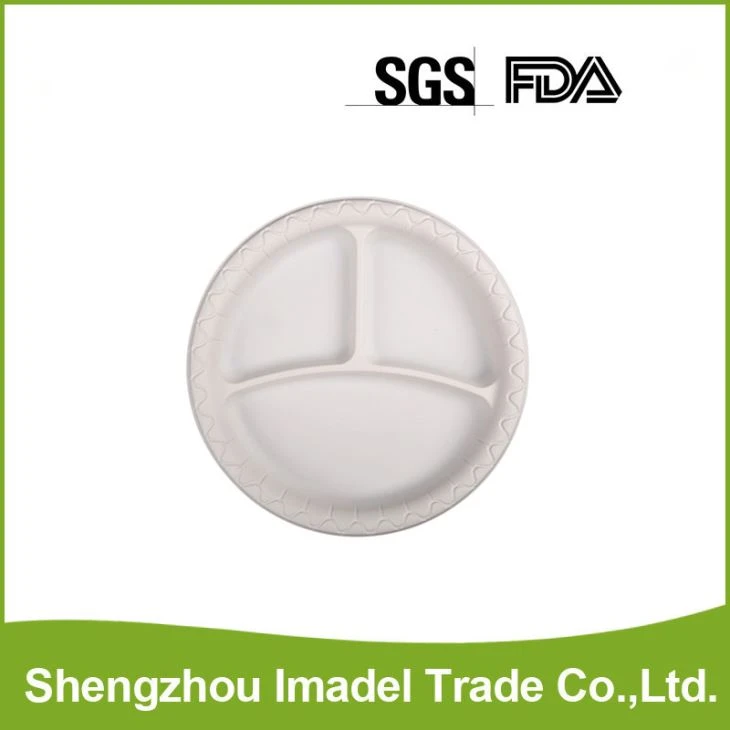
● Choosing a biodegradable material, such as plant-based plastics, cellulose, starch, or biodegradable polymers
● Collecting the raw materials needed to manufacture the biodegradable food container, such as cornstarch, sugarcane, or other organic materials
● Manufacturing the packaging by using processes such as molding, extrusion, or thermoforming
● Labeling the packaging to indicate that it is biodegradable and providing information about its disposal and composting instructions.
In choosing biodegradable food container and compostable packaging, it depends on the available recycling facilities in your area. Biodegradable food container disintegrates quickly but does not improve soil, while compostable packaging requires composting to break down and enhance soil quality. Both options are better than plastic packaging as they do not persist in the environment for centuries.
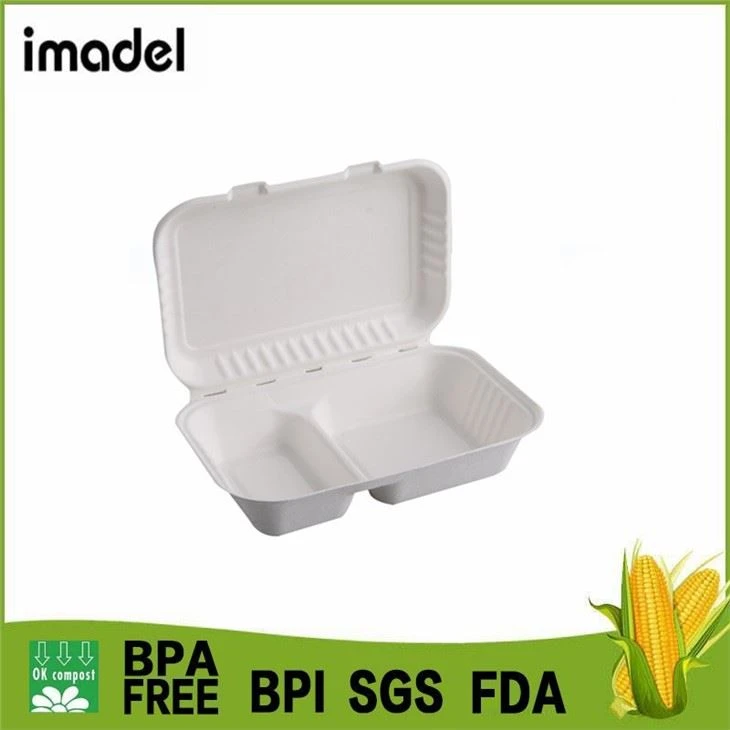
Our Factory
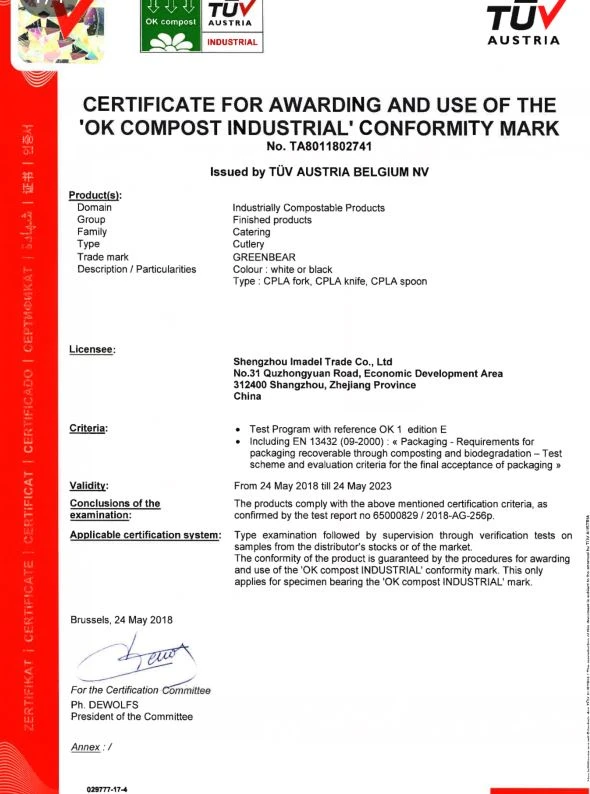
Shengzhou Imadel Trade Co.,Ltd was founded in 2012,is a company specializing in supplying 100% biodegradable and compostable products: CPLA cutlery; Sugarcane plate, bowl and clamshell; bags; paper cup; bamboo cutlery and plate.
FDA,SGS certified for food safty, BPI and EN13432 certified for compost.
And our factory, Zhejiang Imadel Bio-Tech Co.,Ltd is specially in producing the 100% biodegradable and compostable CPLA cutlery.
Our main market is North America, South America, and Europe.
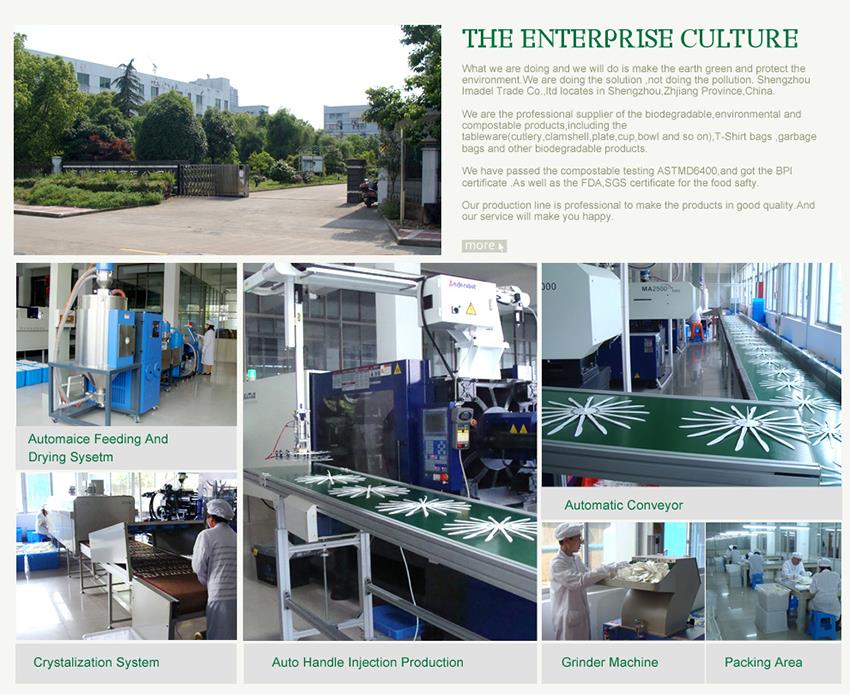
Our Certificate
We have passed the compostable testing ASTMD6400,and got the BPI,EN13432 certification.As well as the FDA,SGS certificates for the food safety.
Our CPLA cutlery passed ASTMD6400 and got the BPI(US standard) in 2013,got the EN13432(EU Standard) in 2018.
FAQ
Q: Are biodegradable food containers safe?
Q: What can you do with biodegradable containers?
Q: How are biodegradable containers made?
Q: How long do biodegradable containers last?
Q: How do you dispose of biodegradable food containers?
Q: What is the difference between biodegradable and compostable?
The main difference between the two is that biodegradable material can take an undetermined time to break down. In contrast, Compostable materials will decompose into natural elements within a specific time frame. However, it will require certain conditions like those found in industrial composting facilities to do so.
Q: Are biodegradable containers recyclable?
Q: What happens with biodegradable packaging?
Q: Why biodegradable plastic is not widely used?
Q: How long does biodegradable plastic take to degrade?
Q: What are biodegradable food containers made of?
Q: What is a biodegradable food ingredient?
Q: How do biodegradable products work?
Q: Is biodegradable packaging expensive?
Q: How long do biodegradable food bags take to decompose?
Q: How long does it take for a food container to decompose?
Q: Is biodegradable food littering?
Q: What is the difference between biodegradable and recyclable?
Q: What does 100% degradable mean?
Q: Does 100% biodegradable mean compostable?
Welcome to wholesale high quality biodegradable food container at competitive price from professional biodegradable food container manufacturers and suppliers in China here. For more information, contact our factory.